
Vehicle Tracking vs. Fleet Management: What Changes as a Fleet Grows?
Vehicle tracking shows where one vehicle is. Fleet management shows how your whole fleet is doing. Learn what changes as your fleet grows, the signs you have outgrown basic tracking, and what to ask before you switch.
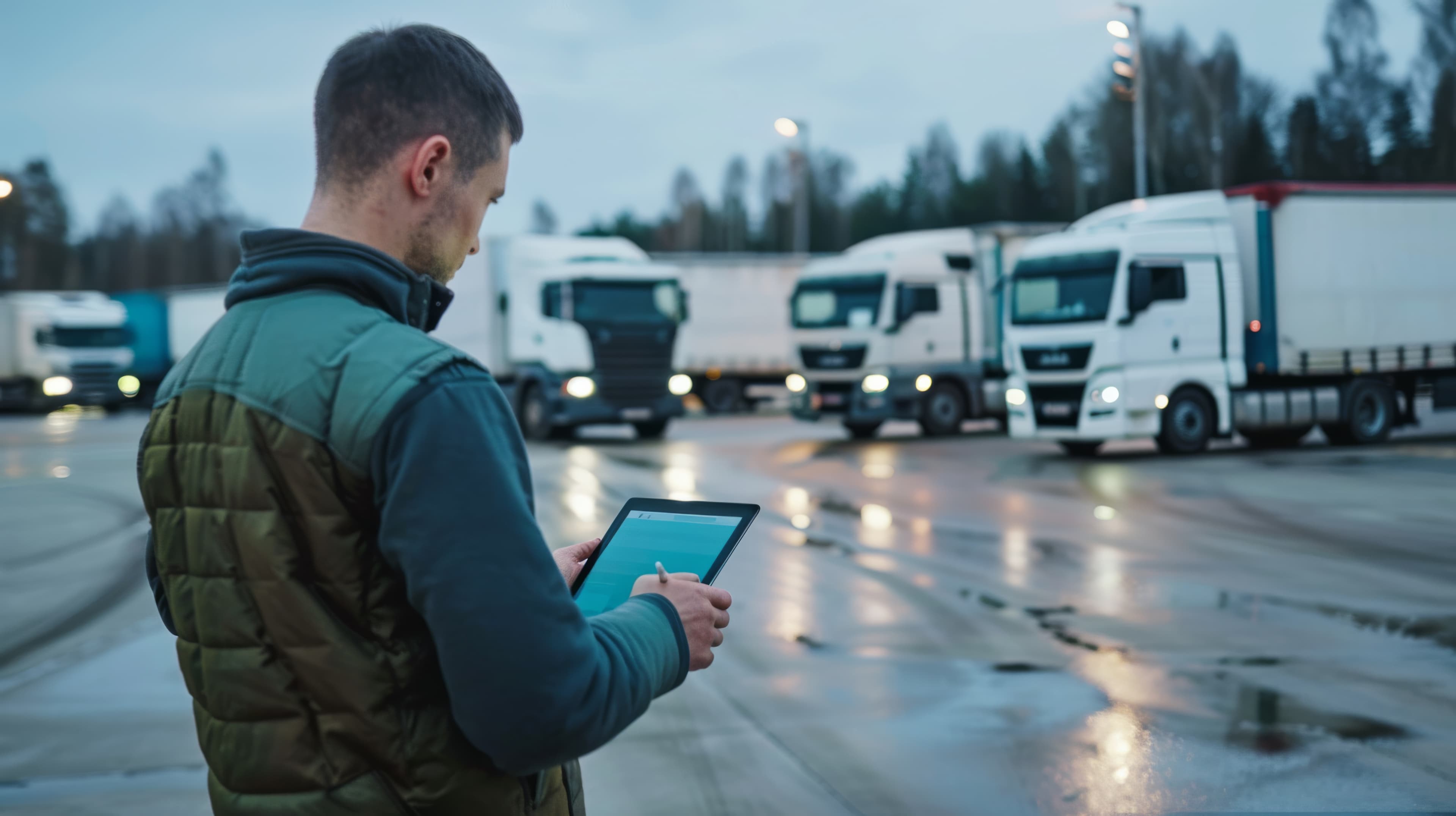
You added a vehicle tracking device to see where one vehicle was. It worked. Now you have more vehicles, more drivers, and a new question: how is the whole operation doing? That's where vehicle tracking and fleet management start to look very different.
Here is the short version. Vehicle tracking tells you where a vehicle is. Fleet management tells you how your whole fleet is performing. This guide explains what changes, how to spot the moment to move, and what to ask before you do. It is written for business owners and operations managers who already have a tracker in their vehicle and wonder if it is still enough.
What is vehicle fleet management, and how is it different from tracking?
Vehicle tracking follows individual vehicles. For each one, you see a location, a route, and a history.
Vehicle fleet management uses the same location data but adds structure. Vehicles can be viewed together on one map, drivers are identified against vehicles, and reports cover things like fuel use, idle time and driver behaviour. The question changes from "where is this vehicle?" to "what is happening across my fleet?"
South Africa is moving this way. Industry research estimated that roughly 2.3 to 2.4 million fleet management systems were in active use in commercial vehicle fleets at the end of 2023, with forecasts of about 3.8 to 3.9 million by 2028. Berg Insight also notes that a notable share of installed systems are comparatively basic tracking units, and a 2025 industry report points to cloud-based platforms and digital dashboards as helping fleets scale. If you are still on basic vehicle tracking, you are not alone.
What vehicle tracking does well
For one to a few vehicles, tracking covers the essentials. Selftrack's vehicle tracking service includes real-time location with history playback, trip reports, custom Go and No-Go zone alerts, speeding alerts, and tax-ready logbook reports.
If one person checks a handful of vehicles, this is often enough. The trouble starts when the fleet outgrows one person's attention.
What changes as your fleet grows
Think of three stages. They are rules of thumb based on practical experience rather than theory, not hard rules.
One to three vehicles (1 – 3)
You check vehicles one by one. The owner is usually the only user, and alerts go to one phone number. The questions are simple: where is it, and did it arrive? A basic vehicle tracking device answers both well.
Four to ten vehicles (4 – 10)
Checking each vehicle individually takes too long. You start asking comparison questions: which routes run late, which vehicles sit idle, which drivers trigger the most speeding alerts. A basic tracker shows you each answer separately. Putting them side by side and comparing them by hand is where the hours go.
More than ten vehicles (10+)
You need one view of the whole fleet, shared alerts and reports you can act on without individually opening and accessing real time information on each and every vehicle. At this size, a fleet tracking platform does a different job than a single-vehicle tracker. It organises the data so managers can decide, not just look. Instead of asking "where is vehicle five?", you ask "which part of the fleet needs attention this week?"
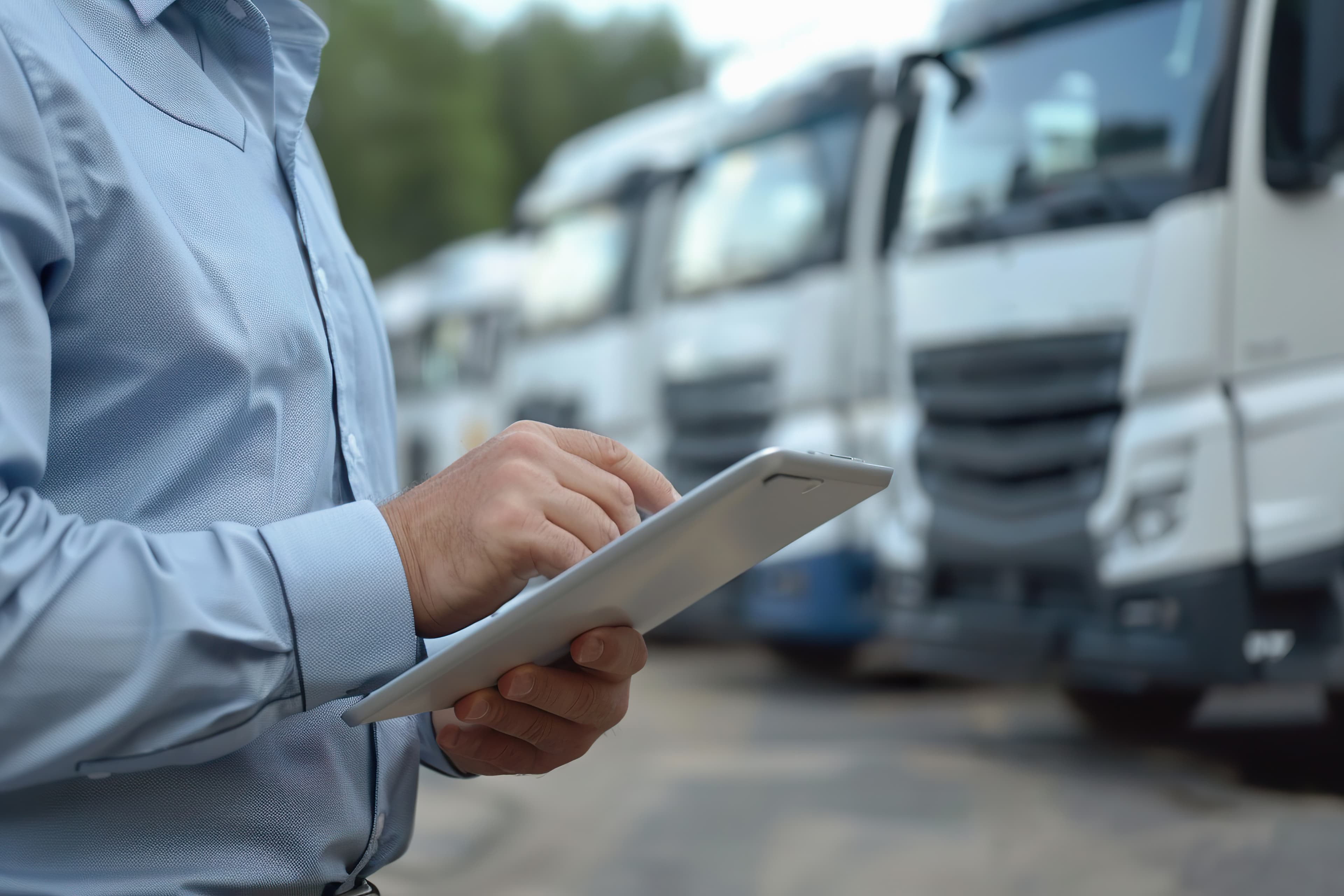
Fleet management turns a row of vehicles into one clear view.
What you gain by moving from tracking to fleet management
The biggest gain is time. A fleet management setup gives managers one place to see every vehicle, so they spend less time searching and more time deciding.
It also gives you a shared picture. Owners, dispatchers and drivers can work from the same facts, which eliminates arguments about who was where and when.
Finally, it gives you a pattern. One speeding alert on one vehicle is a conversation. The same alert across a team is a training need. Fleet-wide reports make that difference visible.
Signs you have outgrown vehicle tracking
● You open the map and check vehicles one at a time, every day.
● More than one person needs access to the data.
● You build spreadsheets by hand to compare vehicles or drivers.
● Questions from owners or customers take hours to answer.
If several of these sound familiar, it may be time to recognise that vehicle tracking and fleet management serve different purposes and to consider how proper fleet management can improve your operations.
How to manage a fleet of vehicles as you scale
A few habits make the move easier:
● Group your vehicles by team, site or job type.
● Agree on one set of alert rules per group and review it monthly.
● Pick three numbers to review weekly, such as trips completed, speeding alerts and idle time.
● Name one person who owns the data and follows up.
Keep your records tidy from day one. SARS says an employee who receives a travel allowance needs a logbook to claim business travel, and it should be kept for at least five years from the date you submit your return. The SARS travel e-logbook page explains what to record, including the date and your business trip details. Trip and logbook reports from your tracking platform can save a lot of manual typing. Confirm your own situation with a tax practitioner.
Choosing a vehicle tracking system for fleet management
Moving to a vehicle tracking system for fleet management does not need to be a big project. Before you switch, ask any provider:
● Can I see and report on all vehicles together, not only one at a time?
● Can my current devices feed the new platform, or do I need new ones?
● Do you offer video telematics for driver coaching?
● What support will I get after set-up?
For a wider view of business needs, read our guide to [fleet management solutions for South African businesses]([BLOG 3 URL]). Good vehicle tracking and fleet management should feel simpler as you grow, not harder. When you are ready to talk through your own fleet, book a fleet demo with the Selftrack team.
Also read: Fleet Management Solutions for Businesses: Real-Time Tracking & Visibility
Frequently asked questions
Is vehicle tracking the same as fleet management?
No. Tracking shows where each vehicle is. Fleet management adds a whole-fleet view, driver identification and fleet-wide reports, so you can manage the operation as a whole.
When should a business move from vehicle tracking to fleet management?
When checking vehicles one by one becomes slow, or when more than one person needs the data. Needing hand-built spreadsheets is another clear sign.
Do small fleets need fleet management?
Not always. A few vehicles and one decision-maker can run well on tracking. Look again when the fleet, or the number of people involved, grows.
Can I keep my current devices when I move to fleet management?
It depends on your devices and provider. Ask this question early. The Selftrack team can confirm what works for your setup.
Can tracking reports help with SARS logbooks?
They can reduce manual work. SARS still sets the rules for what a logbook must contain, so check your needs with a tax practitioner.
How much does fleet management cost?
Cost depends on the number of vehicles and the features you need. See the pricing page or ask the team for a quote.