
Where Fleet Risk Hides in Security, Construction and Mining Operations
Fleet risk hides in places managers cannot see. Learn where it shows up in security, construction and mining operations, and how to control it.
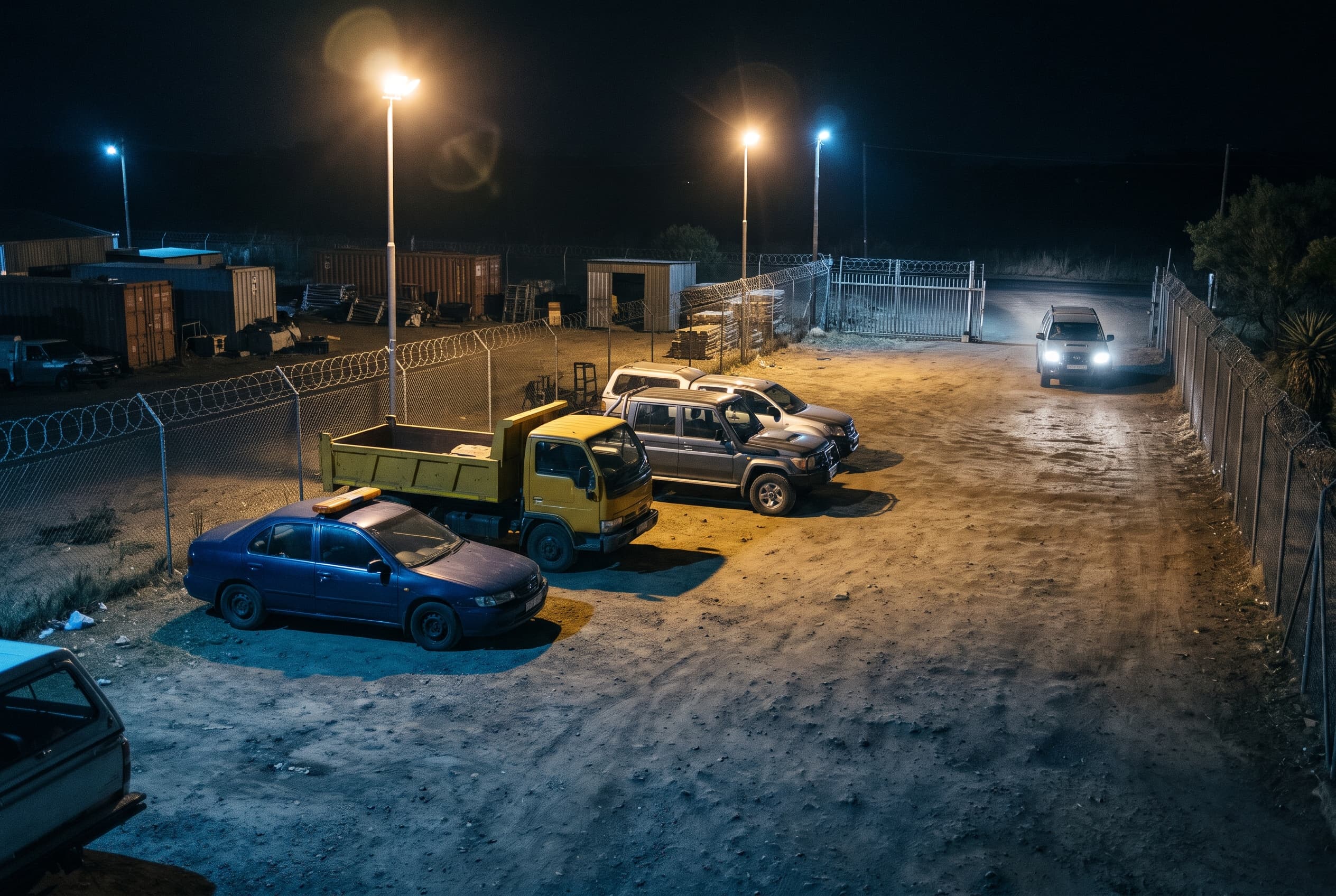
A patrol vehicle stops at an address it was never sent to. A bakkie leaves a building site after dark, and nobody knows who asked for it. A vehicle on a remote mine road is driven by someone who has been awake far too long.
Nothing has gone wrong yet. But in each case, the manager cannot see what is happening, and that is where fleet risk lives. Fleet risk management starts with one simple idea: you can only control what you can see. This guide shows where fleet risk hides in security, construction and mining operations, and how fleet tracking brings it into the open.
Where fleet management risks hide
The three operations are very different. The risks, however, tend to hide in the same four places:
• Unauthorised or after-hours use. A vehicle is used at a time or place it should not be.
• Unsafe driving. Speeding, harsh driving, and tired drivers put people and vehicles at risk.
• No record of who was driving. When something goes wrong, nobody can say who had the vehicle.
• Slow response. You hear about a problem hours later, when it is harder to fix.
These risks are easy to miss when vehicles are spread across sites, routes and shifts. So let us see how each one shows up in each operation.
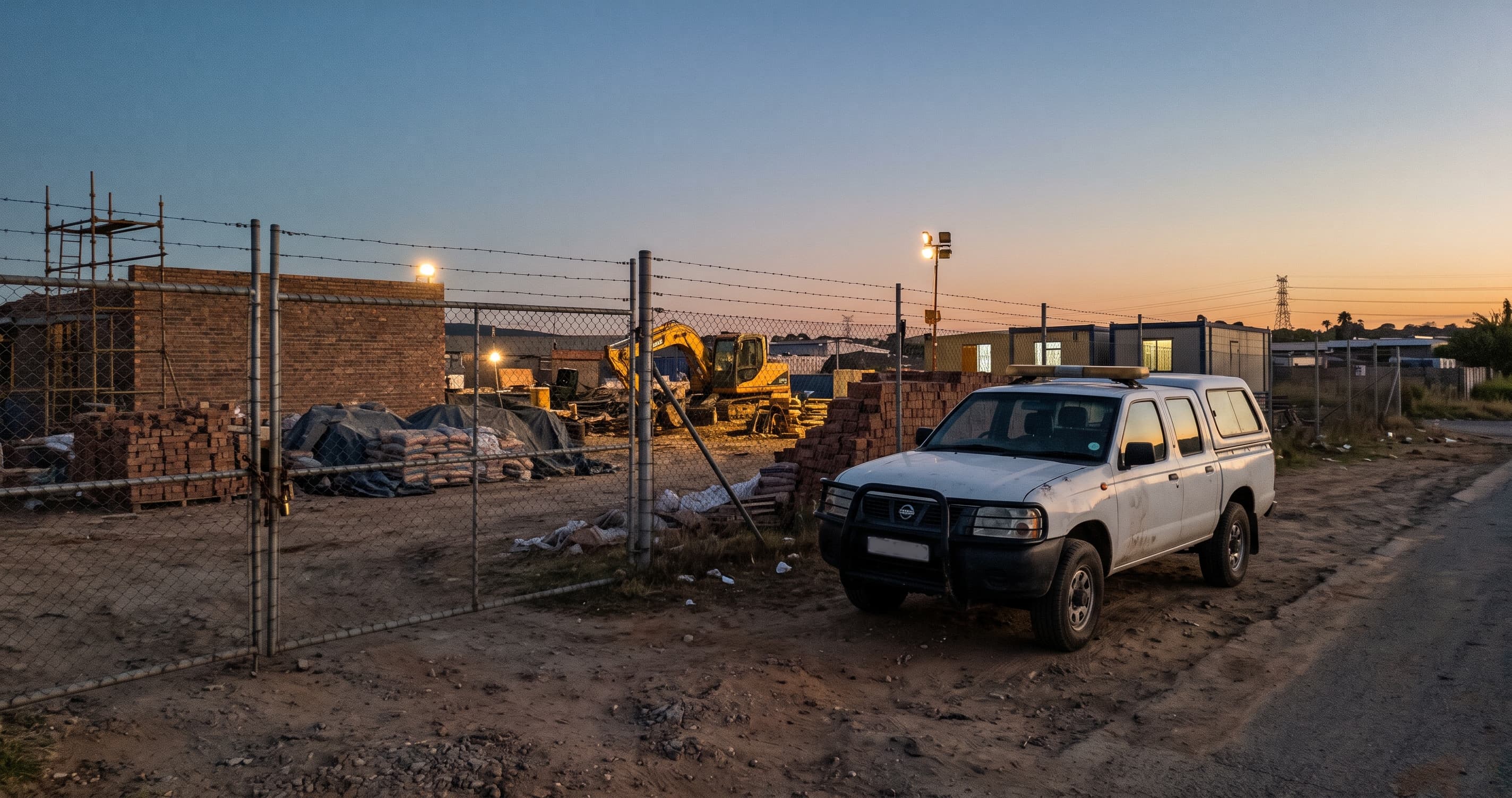
A security patrol bakkie parked outside the locked gate of a building site at dusk.
How the risk shows up in each operation
Security: patrols you cannot see
A security company sells trust, and its vehicles are part of that trust. A patrol that skips a stop or runs late is a risk to the client and to the business. Clients also expect proof, so a clear record of each patrol helps you answer their questions fast. With security fleet tracking, you see every patrol vehicle on one map. Security vehicle tracking also lets you replay a past route to check the time spent on site, and set zones so you are alerted when a vehicle enters or leaves an assigned area. Selftrack's Driver Tag technology adds another layer. Only authorised drivers can operate an assigned vehicle, and every trip is linked to a driver.
Construction: vehicles moving between sites
Construction vehicles rarely stay in one place. They move between sites, depots and suppliers, often with different drivers on different days. That makes after-hours use and idle time hard to spot. Construction vehicle tracking shows where each vehicle is and where it has been. Driver tags help too, because each trip is linked to a driver. Zones around each site tell you when a vehicle arrives or leaves. Reports on fuel use and idle time show where time and money are being lost. For equipment that has no driver, such as trailers and generators, see Selftrack's asset tracking page.
Mining: long shifts on remote sites
Mining vehicles work long shifts, often far from the people who manage them. Help is a long way off, so spotting trouble early matters even more. Tired drivers and speeding in restricted areas are the risks to watch. Mining vehicle tracking can show who is driving, send alerts when a vehicle goes over a set speed, and mark zones that vehicles should not enter. A live dashcam system with driver fatigue alerts and impact detection can add another layer of safety.
How fleet tracking brings the risk under control
Seeing the risk is the first step. Controlling it is the second. Fleet tracking helps in three ways:
• See it. One map shows your whole fleet in real time, and trip history lets you replay a route afterwards.
• Control it. Driver tags, zones, speed alerts, and battery and tamper alerts each close one of the gaps above.
• Learn from it. Scheduled automated reports on idle time and driver behaviour show which habits need coaching. This is driver behaviour monitoring you can act on.
When an incident does happen, video helps. Selftrack's video telematics captures and tags incidents, so you have clear footage on demand. If a vehicle is stolen, recovery support is there to help.
Where to start
You do not need to change everything at once. A simple order works well:
1. Start with the vehicles that carry the most risk, such as night patrols, vehicles that leave sites after hours, or vehicles on remote roads.
2. Decide what you want to be told about: leaving a zone, speeding, or tampering.
3. Review the reports every week and coach the drivers who need it.
4. Add cameras where you need clear evidence after an incident.
5. Agree who acts on each alert, and how fast. An alert that nobody answers is no better than no alert.
That is the basis of fleet safety management that works in daily use. For fleet management, see Selftrack's fleet tracking and industry solutions pages.
Also read: Stop Losing Trailers and Equipment: A Practical Asset Tracking Guide
Questions to ask before you choose a system
Before you speak to a supplier, have these three questions ready.
Can it show who was driving? Selftrack's Driver Tag links every trip to a driver.
Will it warn me early? Look for alerts for zone changes, speed limits, and device tampering.
Can it grow with me? Selftrack's range runs from tracking to cameras to full fleet management, so you can add to it as your needs grow.
Bring the risk into the open
Go back to the three moments at the start. With fleet risk management in place, the patrol vehicle's stop shows on your map, the bakkie's after-hours trip raises an alert, and fatigue alerts can flag the tired driver on the mine road. None of this removes the risk, but it gives you what was missing: a clear view. That is the heart of fleet asset protection. The first step is a short conversation about which vehicles worry you most, so talk to Selftrack about the right fleet solution for your operation.
Book a Fleet Consultation, or call Selftrack sales on 071 604 6133.