
Stop Losing Trailers and Equipment: A Practical Asset Tracking Guide
Trailers, generators and equipment have no driver to notice when they move. Learn how asset tracking protects them and how to choose a tracker.
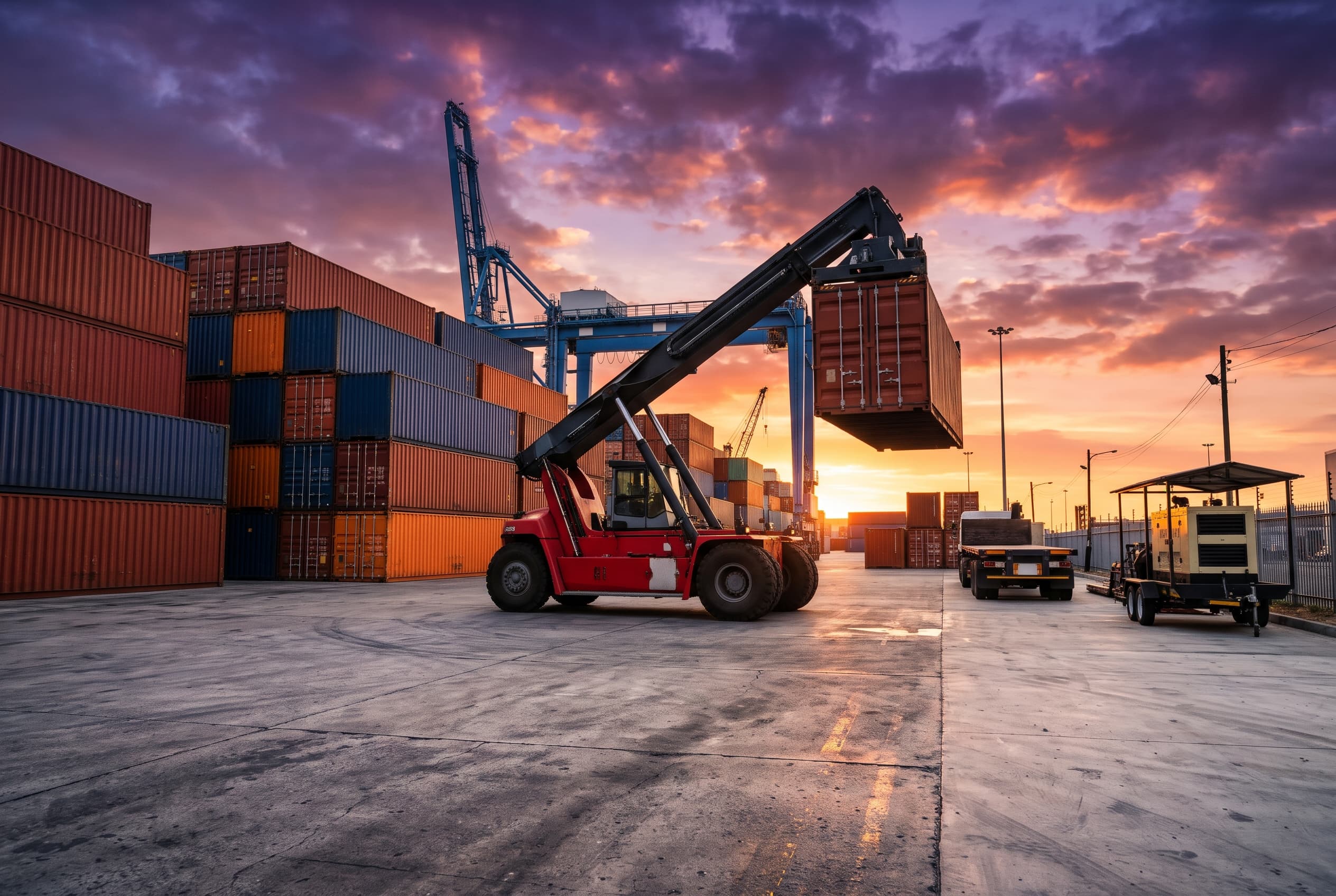
It is Monday morning, and you arrive at the depot early. The trailer you parked on Friday is not where you left it. Nobody saw it go, and nobody can say when. The generator that was meant to be on site today is missing too.
A moment like this is stressful for any business that owns trailers or equipment, but you can be ready for it. Asset tracking shows you where your assets are and warns you when something moves. This guide explains how asset tracking in South Africa works for trailers, generators and equipment. It also shows you how to choose a tracker and what to ask before you book.
Why trailers, generators and equipment go missing
To see why, compare these assets with a vehicle. A vehicle has a driver, a key and an ignition, so someone usually notices when it moves. Many other assets have none of these. A trailer sits unhooked. A generator runs on a site with no one watching. Equipment moves between jobs, yards, and contractors.
That makes these assets easy to lose, for three reasons:
• Nobody notices when they move. There is no driver and no ignition to give a warning.
• They sit in open places. Yards, building sites and farms are often quiet at night.
• They change hands often. It is hard to say who had an asset last.
The loss goes beyond the price of the asset. Jobs stop, deliveries run late, and you may need to hire a replacement while you wait for answers. So the real question is how to know, quickly, when something has moved that should not have.
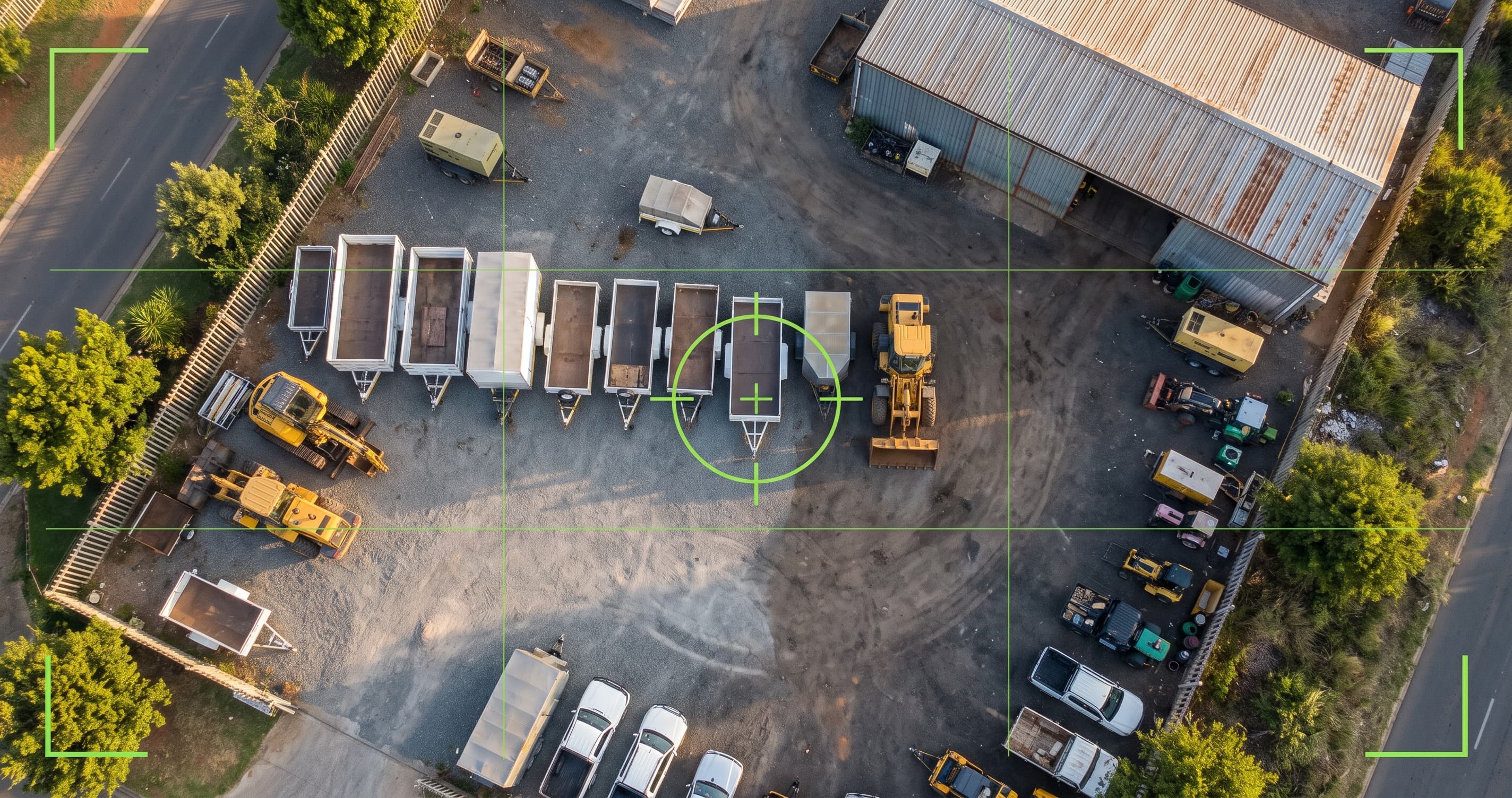
A trailer carrying a generator and tool boxes, parked at a building site at dusk, marked with a location pin.
How asset tracking gives you that answer
Asset tracking installs a small GPS device on the asset. You see where it is on your phone or computer, and you get an alert if something is wrong. Let us go back to the depot and look at each asset in turn.
Trailers
Start with the trailer. Trailers can sit in one place for days, so a sudden move is easy to miss. A trailer tracking device shows where the trailer is. A geofence alert warns you if the trailer leaves your depot, yard, or customer site, so you can find out when it happens and not days later.
Generators
Next, the generator. Generators are relatively small, valuable, and easy to move. A tracking device with movement and tamper alerts tells you if a generator is shifted or touched.
Equipment
Then there is the equipment. Equipment tracking matters most where machines move. Construction equipment and agricultural machinery often change sites. One platform shows where each item is, so you know what is on which site. To see how Selftrack supports different operations, visit its industry solutions page.
The same approach works for caravans, boats and containers. If it is valuable and it moves, it should be tracked.
Which assets should you track first?
You may now be thinking about everything in your yard. You do not have to start there. Begin with the assets where a loss would hurt most, and ask four questions:
• How much is it worth? Start with the costly items.
• How easy is it to move? Small or towable assets are easier to take.
• How often is it left alone? Assets left overnight or at remote sites need more cover.
• What happens if it goes missing? If a lost asset stops a job, track it first.
Once your highest-risk assets are covered, add the rest.
What a Selftrack asset tracker includes
With your first assets chosen, the next step is the tracker itself. Here is what Selftrack's asset trackers offer, and what to check with any supplier.
• Long battery life. Low-power modes give months between charges.
• Alerts. Geofence alerts warn you when an asset leaves a zone. Movement and tamper alerts warn you when it is moved or disconnected.
• Location updates. Location is real-time and accurate to street level. Ask how often the tracker reports, and how that affects battery life.
• Recovery support. A nationwide recovery team is ready 24/7 if the ‘recovery’ subscription package is selected for that asset.
Compare each point with any other tracker you are considering. If a supplier cannot answer clearly, keep asking before you commit.
Also Read: Fleet Visibility for Logistics Operators: Reducing Exceptions and Downtime
Asset tracking or fleet tracking?
You may already track your vehicles, which raises a fair question: do you still need asset tracking? Fleet tracking is built around vehicles and drivers. Asset tracking covers the things that have no driver, such as trailers, generators and equipment. Many businesses need both. If you also run vehicles, read vehicle tracking vs. fleet management and see Selftrack's fleet tracking page.
Protect what you cannot afford to lose
Go back to that Monday morning at the depot. With asset tracking in place, an empty parking spot does not have to be a mystery. You can see where the trailer is, and you are warned when something moves that should not.
Start with the assets that cost the most to lose; choose a tracker that fits how each one is used. Talk to Selftrack about the right tracker for your assets.
Book an Asset Tracking Consultation, or call Selftrack sales on 071 604 6133.